Lincs Bird Club Events
Click on the event title to expand/hide the full details
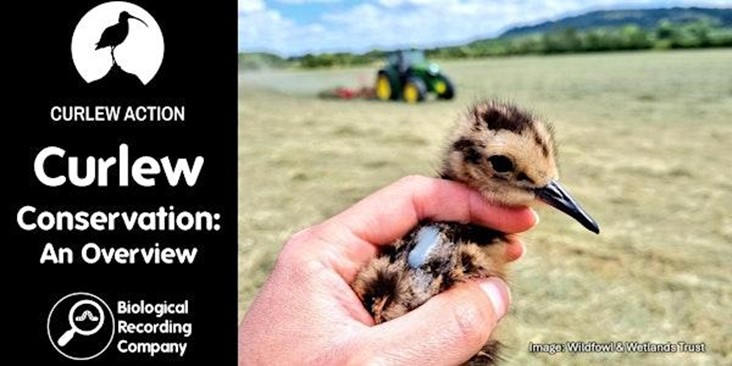
Curlew Conservation: An Overview by Mary Colwell on Monday, 13 April 2026 18:30
Curlew Action Series | Free Online Meeting – Book by clicking the following link; https://www.eventbrite.co.uk/e/curlew-conservation-an-overview-tickets-1983671521921?utm-campaign=social&utm-content=attendeeshare&utm-medium=discovery&utm-term=listing&utm-source=cp&aff=ebdsshcopyurl
Curlews are among the UK’s most iconic and rapidly declining birds. Their numbers are falling primarily because too few chicks survive to adulthood — and the reasons are complex. As ground-nesting birds, Curlews are exposed to many of the environmental pressures shaping our landscapes today, from agricultural intensification and predation to habitat fragmentation and climate change.
In this introductory webinar, Mary Colwell (Curlew Action) explores why Curlews are in trouble, what their decline tells us about the wider state of our countryside, and how practical, evidence-led conservation can help secure their future.
Mary will explore the following challenges that face Curlews:
· Why Curlews Are Declining: An overview of Curlew ecology and why poor breeding success lies at the heart of their decline, with insight into the pressures facing nests and chicks on the ground.
· Agriculture: Since WW2, the intensification of farming practices has created unsustainable pressures on birds that nest on the land, resulting from practices such as frequent silage cutting, over-stocking, drainage and the spread of monocultures.
· Predation: Young Curlews are easy prey, and the UK has some of the highest densities of generalist predators, such as foxes and cows, in Europe.
· Forestry: Forestry, especially plantations, are not always compatible with breeding Curlews, which need big, open spaces free of predators. Trees close in the landscape, remove nesting habitat and can also provide shelter for a variety of predators such as badgers, foxes and crows.
· Habitat Loss and Fragmentation: In a small, crowded country, land is pulled in many directions: housing, roads and infrastructure, recreational access, dog walking, and large-scale renewable energy developments all compete for space with Curlews.
· Climate Change: Climate instability is not a distant threat; it is already compounding the challenges Curlews face on the ground through flooding, drought, extreme temperatures and seasonal disruption.
This free webinar is aimed at anyone with an interest in Curlews or conservation in general and will provide a clear, balanced overview of the challenges and practical solutions involved in Curlew conservation. We welcome students, naturalists, ornithologists, conservation professionals, ecologists, land managers, farmers and anyone else who is keen to understand the threats facing our Curlews.
The 60-minute event will consist of a presentation followed by a live Q&A with the tutor, using questions submitted by the audience.
Recordings of the presentation and a transcript of the Q&A/useful links will be emailed following the webinar to those who booked a space on the event.